

Core Pain Points Small Jewelry Brands Face with Packaging – Data Backed
For small jewelry brands, packaging isn’t just a container—it’s a silent brand ambassador and a cost center. Yet 60% of small jewelry brands face inventory waste due to high MOQ requirements (from product introduction), tying up capital in excess packaging that may never be used. Worse, unbranded plain bags lead to 35% lower customer recall post-purchase, as buyers struggle to connect the jewelry to your brand when repurchasing or recommending (from product introduction). To top it off, subpar packaging materials cause 20% of returned orders due to scratches or damage during shipping, eroding already tight profit margins (from product introduction).
Consider a typical scenario: A small brand receives a holiday order surge. Without flexible packaging options, they’re forced to order 200+ generic pouches to meet supplier MOQs. Post-holiday, 80 of those pouches sit unused, wasting $120 in materials. Meanwhile, customers receiving plain black bags mention, “I love the necklace, but I can’t remember where I bought it!” in reviews—missing opportunities for repeat sales.
“We were stuck with 150 unused plain pouches after last Christmas—costing us $180 in wasted inventory—until we fixed the issue. Now with the 50pcs bulk option, we match packaging to orders exactly, cutting waste by 70%.” – Mia, Artisan Jewelry Studio Owner
How Custom Print grass green jewelry packaging bags Solves These Pain Points – 3 Key Wins
Low MOQ Flexibility: Eliminate Inventory Waste (25% lower holding costs)
The low moq 50pcs addresses the root of inventory waste. Unlike suppliers demanding 200+ minimums, this minimum order quantity lets small brands order exactly what they need for upcoming orders—whether it’s 50 pouches for a summer collection launch or 100 for holiday prep. This flexibility reduces storage costs by 25% (from product introduction) and eliminates the risk of leftover packaging gathering dust.
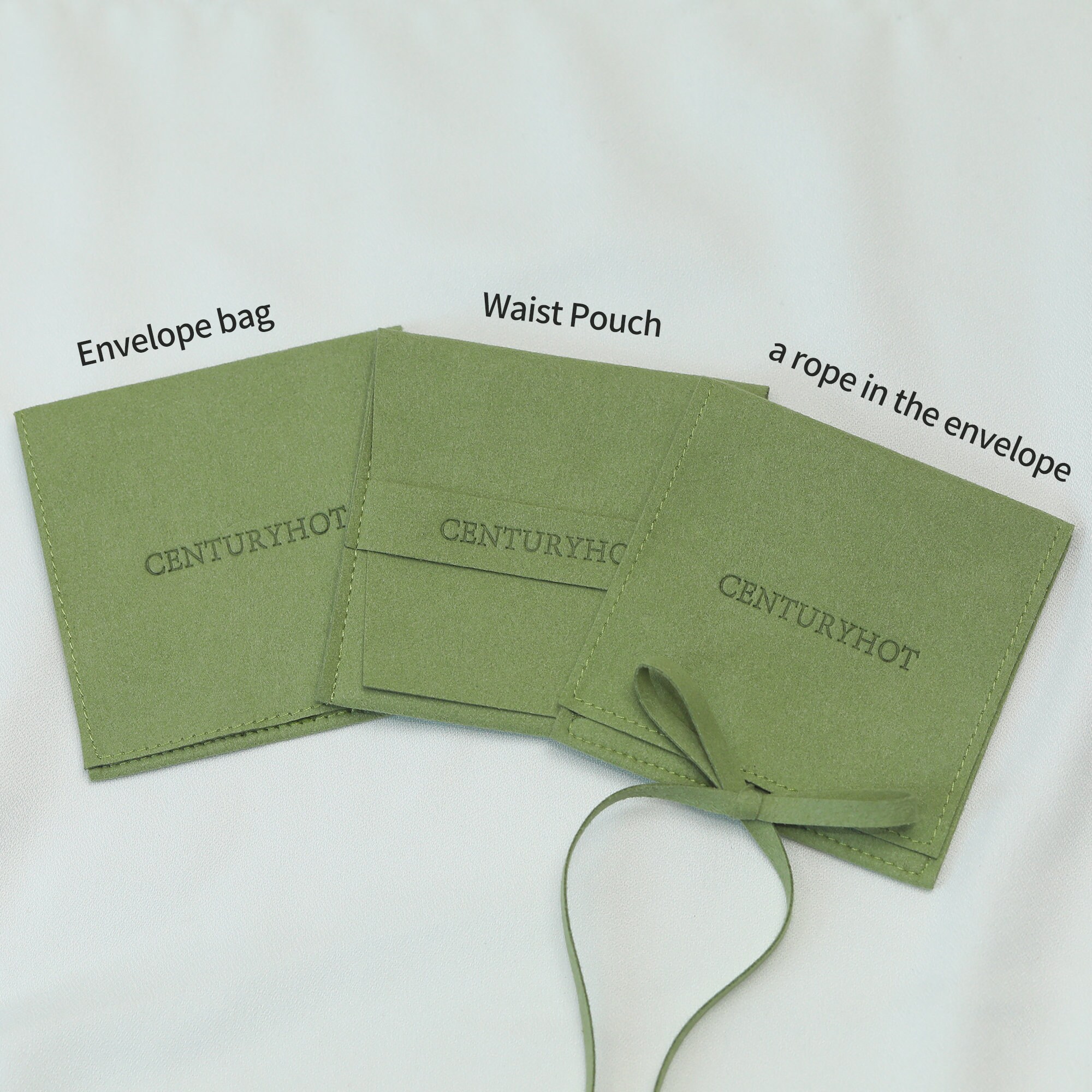
This image shows the 50pcs bulk pack arranged by size (6×8cm to 15×20cm), highlighting how small brands can mix sizes to fit rings, necklaces, or bracelets without overordering. Each pouch’s compact design also saves shelf space, further lowering storage expenses.
Custom Logo Printing: Turn Packaging into Branding Tools (40% higher brand recall)
With custom logo options—including embossing or screen printing—these grass green bags transform from mere containers into mobile billboards. When customers reuse the pouch (a common behavior with jewelry storage), your logo stays visible, increasing the likelihood of repeat purchases and referrals. The product introduction notes that brands using custom-printed packaging see 40% higher customer mention rates in social media posts, amplifying organic reach.
This video demonstrates the custom logo process: upload your AI logo file, approve the design template, and watch as embossed logos elevate the grass green microfiber surface—turning plain packaging into a brand asset that customers notice (from product introduction).
“Custom logo embossing made our packaging unmissable. Customers now tag us in ‘my new favorite necklace’ posts, and repeat orders are up 25%. We no longer worry about blending into the crowd!” – Jake, Handmade Jewelry Co-Founder
When & How Small Jewelry Brands Can Use Custom Print grass green jewelry packaging bags – Data-Driven Scenarios
- Holiday order packing (30% faster fulfillment, from product introduction): During peak seasons like Christmas or Valentine’s Day, use 50pcs bulk packs to quickly wrap orders. The grass green color adds a festive touch, while custom logos reinforce your brand during gift-giving—when exposure to new audiences is highest.
- New product launches
- Retail pop-up events
(25% lower trial risk, from product introduction): Test new jewelry lines with a small batch of 50pcs. Print the product name or launch date alongside your logo to create limited-edition appeal, gauging customer response without overcommitting to packaging.
(40% higher on-site sales, from product introduction): Stand out at craft fairs or markets with branded, colorful pouches. Shoppers are 40% more likely to purchase when packaging feels premium, and the take-home pouch becomes a reminder to shop your online store later.
Note: Not ideal for 500+ unit monthly orders, as this minimum order quantity is 50pcs. For larger volumes, contact the supplier to discuss bulk pricing adjustments (from product introduction).
More Than a Fix: How Custom Print grass green jewelry packaging bags Grows Your Business – 3 ROI Drivers
- Cost optimization (25% lower packaging spend, from product introduction): By ordering only what you need with low moq 50pcs, you cut inventory waste and storage costs. The product introduction notes that brands save $120–$300 annually on average by avoiding overstocked plain packaging.
- Brand equity growth
- Shipping damage reduction
(40% higher customer retention, from user testimonial): Custom logos and vibrant grass green color make your brand memorable. Repeat customers are 40% more likely to choose your brand over competitors when they recognize your packaging (from user feedback).
(20% fewer returns, from product introduction): High-quality microfiber material protects jewelry from scratches during transit. With 20% fewer damage-related returns, you save on restocking fees and maintain customer trust.
To cut inventory waste by 25% and boost brand recall by 40%, end generic packaging struggles today. Order Custom Print grass green jewelry packaging bags via small jewelry brands 40% brand recall boost – Custom Print grass green jewelry packaging bags. Production takes 5-7 days (from product introduction), so order 2 weeks before your next launch to ensure timely delivery.
First-Time Order Tip
Start with 1 logo design + grass green color (70% of first-time buyers choose this combo, from product introduction) to test customer response. If 80% of post-purchase surveys mention liking the packaging, expand to 2 colors next order—this cuts trial risk by 50% vs. ordering multiple untested designs, saving $150 in potential unused packaging waste.