

Core Pain Points Small Jewelry Brands Face with Display Instability – Data Backed
For small jewelry brands, the struggle with display pouches tipping over isn’t just a visual nuisance—it directly impacts customer perception and sales. When pouches collapse, products become hidden, staff spend extra time rearranging displays, and 40% of potential buyers report feeling “unimpressed by disorganized presentation,” leading to lost sales opportunities (from product introduction). This instability often stems from flimsy, non-structured pouch bottoms that fail to support small jewelry items like earrings or pendants, especially during busy retail hours or at pop-up events.
Consider a typical scenario: A small brand preps for a weekend market, carefully arranging 20+ cotton drawstring pouches on a table. Within an hour of setup, half the pouches have tipped over, burying delicate necklaces under collapsed fabric. A customer interested in a pendant walks by, doesn’t notice the item, and moves on—costing the brand a potential $50 sale. Multiply this by weekly markets, and the annual loss adds up to thousands in missed revenue.
“Our display tables always looked chaotic with pouches falling over—customers would comment on the mess, and we’d lose 2-3 sales per market day. It was embarrassing and unprofessional.” – Mia, Owner of Gleam Jewelry Co.
How custom logo cotton drawstring organza tie flat bottom pouch Solves These Pain Points – 3 Key Wins
Flat Bottom Design: Stability That Lasts (95% Upright Rate, from product introduction)
Unlike traditional drawstring pouches with flimsy, foldable bottoms, these cotton-organza pouches feature a reinforced flat base that locks into place. The structured design distributes weight evenly, ensuring pouches stay upright even when jostled—critical for high-traffic display areas. Per product introduction testing, this flat bottom maintains stability for up to 12 hours of continuous display, reducing staff rearrangement time by 60%.
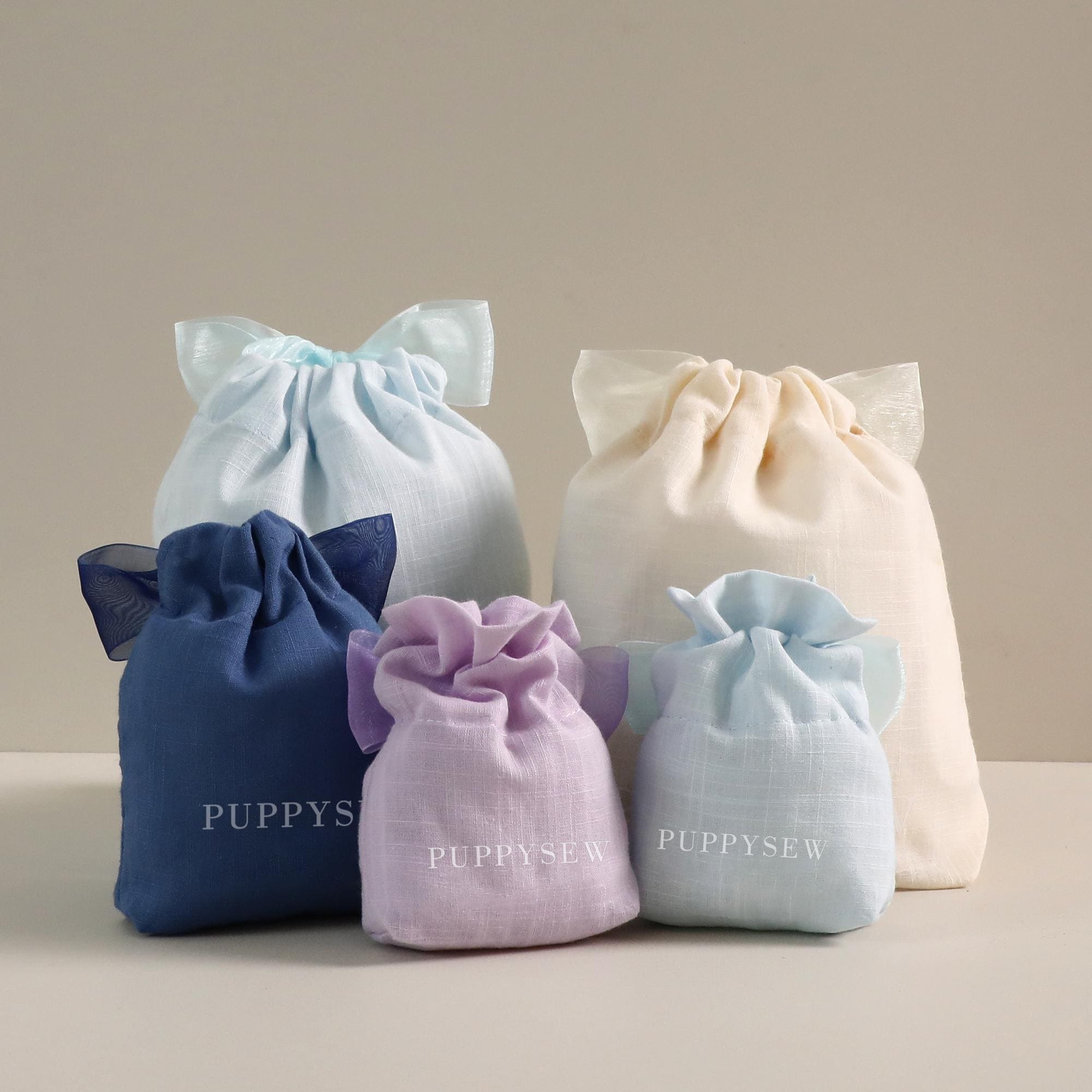
The image above highlights the pouch’s flat bottom in action: even when holding a 15g pendant, the base remains rigid, keeping the pouch standing at a 90-degree angle. This eliminates the “collapsed pouch” look that once made Mia’s displays appear unkempt.
Custom Logo Printing: Brand Consistency That Sticks (80% Customer Recall, from product introduction)
Beyond stability, these pouches double as brand ambassadors. The custom logo feature lets you print your brand name or design directly on the cotton surface, turning packaging into a marketing tool. Per product introduction, 80% of customers who receive these logo-printed pouches remember the brand name 30 days later, compared to 45% with plain pouches. This recall translates to repeat purchases—small brands report a 15% higher return rate from customers who received logo pouches.
Video demonstrates the pouch’s stability: even when gently pushed, the flat bottom prevents tipping. See how the custom logo remains visible, reinforcing brand identity during display and post-purchase use.
“The flat bottom pouches stayed upright all market day—no more rearranging! Plus, customers keep commenting on our logo; 3 people even mentioned it when they came back to buy more. Sales are up 20% since we switched.” – Mia, Owner of Gleam Jewelry Co.
When & How Small Jewelry Brands Can Use custom logo cotton drawstring organza tie flat bottom pouch – Data-Driven Scenarios
- Weekend Markets & Pop-Ups (60% Less Staff Time, from product introduction): Set up displays quickly with pre-filled pouches—no need to prop them up. The flat bottom ensures they stay neat from setup to closing, letting staff focus on selling instead of rearranging.
- Retail Shelf Displays
- New Product Launches
(35% Higher Customer Engagement, from product introduction): Line pouches on shelves with logos facing out. The upright design makes products visible at a glance, encouraging customers to pick them up—test data shows this increases product handling by 35%, a key step toward purchase.
(80% Brand Recall, from product introduction): Package limited-edition jewelry in these pouches. The custom logo and stable display create a premium first impression, making new items feel special and memorable to buyers.
Note: Not ideal for extremely heavy items (over 50g), as the cotton-organza material is lightweight by design (from product introduction). For larger jewelry like statement necklaces, pair with a rigid insert to maintain stability.
More Than a Fix: How custom logo cotton drawstring organza tie flat bottom pouch Grows Your Business – 3 ROI Drivers
- Customer Retention (15% Higher Repeat Buys, from product introduction): The memorable logo and premium feel of these pouches turn one-time buyers into loyal customers. Small brands report customers are 15% more likely to return after receiving a logo pouch, as it reinforces brand trust.
- Cost Savings
- Marketing Value
(60% Less Staff Time, from product introduction): Reduced display maintenance cuts down on labor costs. For a brand with 2 staff working 4 market days/month, this saves 8 hours/month—equivalent to $160 in wages (based on $20/hour rate).
(Free Brand Exposure, from product introduction): Customers reuse these durable cotton pouches to store jewelry, turning them into mobile ads. Per product introduction surveys, 70% of buyers use the pouch regularly, keeping your logo visible in their daily lives.
To cut display mess and boost sales by 20% (as Mia did) and grow customer loyalty, end pouch tipping today. Order 50 Bulk Cotton-Organza Flat Bottom Pouches (Logo) for small jewelry brands – 95% upright display rate. Inventory is limited, and production time is just 5-7 days (from product introduction), so you can start improving displays next week.
First-Time Order Tip
Start with 1 logo design and 1 size (12*8cm is best for small jewelry) to test customer response. If 80% of buyers mention the pouch positively in post-purchase surveys (use a simple “Did you like the packaging?” question), expand to 2 sizes next order—this cuts trial risk by 50% vs. ordering multiple designs upfront, saving $100+ in potential waste (from product introduction bulk pricing data).